Return to the same evidence with a new lens
Present a concrete scene or artifact, supply a new distinction for interpreting it, and revisit identifiable elements of that same material so the change in reading is visible.
For an explanation that should change how readers interpret a scene, artifact or set of facts they have already seen.
A return to identifiable evidence gives the intervening framework a concrete job and can make a changed reading visible.
Beyond returning to an opening, teach a distinction and show precisely how it changes the reading of the same details, keeping annotation separate from evidence.
Reusing the same material gives the explanation an immediate job: show what a reader can now notice or interpret differently. The book does this with a hockey game and with cockpit exchanges; the apparent learning effect is an editorial inference, not a tested result.
Every identified example.
9 source-checked examples from the published book studies. The full catalog has not been assessed for this practice.
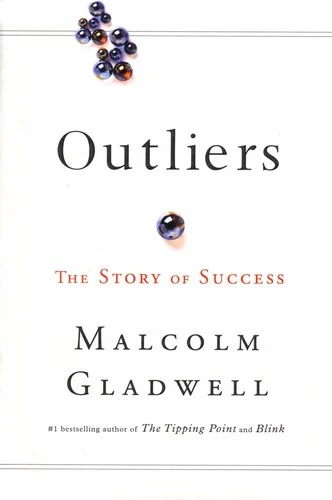
Outliers
Malcolm Gladwell · 102 weeksThe same hockey goals, with birthdays in place of names
SHORT SOURCE EXCERPT“Look back at the Medicine Hat roster.”
The chapter opens with two goals described through players’ names. After the birth-month pattern is explained, it directs readers back to the roster and retells the goals using birthdays as the player identifiers.
The changed labels expose a dimension that was absent from the first reading of the game. This is a deliberate re-description of the same event, followed by the causal account; the replay itself supplies no additional sample.
Outliers
Malcolm Gladwell · 102 weeksA cockpit exchange read again after communication distinctions
SHORT SOURCE EXCERPT“Back to the cockpit.”
The opening recounts flight 801 and the late request to abandon the landing. Later sections introduce degrees of mitigated speech, discuss other flights and the Guam conditions, and interpret further cockpit remarks. The last section returns to flight 801, repeating several utterances with more explicit commentary about timing and meaning.
The final sequence lets the explanation attach to identifiable words already encountered. The chapter does not merely add another confirming anecdote; it asks readers to reread the same interaction with distinctions learned along the way.
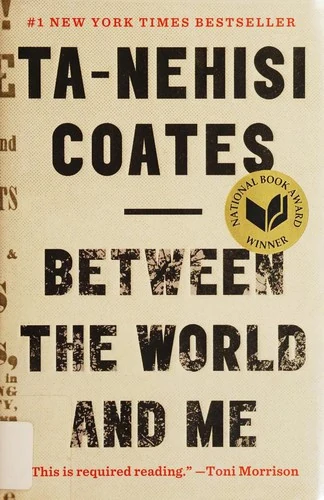
Between the World and Me
Ta-Nehisi Coates · 101 weeksThe same chair changes whom the narrator identifies with
SHORT SOURCE EXCERPT“without any fantastic gloss”
Coates first recalls reading the Nzinga story as an image of the power he wanted. Later, after his account of being challenged to question inherited categories and flattering histories, he recalls Linda Heywood telling the same story; he then identifies with the adviser made into a chair rather than the queen sitting on her.
The physical scene remains recognizable, making the change of identification inspectable. The revision contributes to the book’s larger refusal to replace one consoling account of inheritance with another.
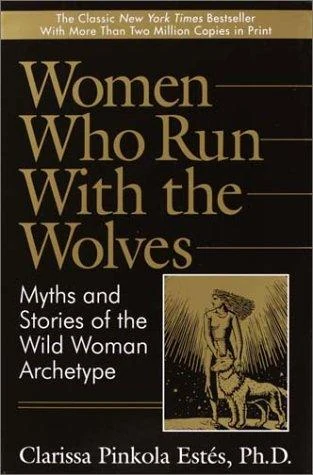
Women Who Run with the Wolves
Clarissa Pinkola Estés · 99 weeksVasilisa’s story becomes a nine-task reading
SHORT SOURCE EXCERPT“В тази приказка психето трябва да се справи с девет изисквания.”
The tale first follows Vasilisa from her dying mother’s gift of a doll through Baba Yaga’s tasks and the fiery skull’s return. After the story ends, the commentary asks readers to treat its components as aspects of one psyche, announces nine requirements and returns to the mother’s death as the first task.
The reader can recognize the same event while observing its changed role: a death in the narrative becomes the author’s interpretation of a psychic transition. Later task headings continue this mapping rather than merely attaching a general moral to the tale.
Women Who Run with the Wolves
Clarissa Pinkola Estés · 99 weeksThe gilded carriage returns as an interpreted trap
In the tale, an older woman takes the girl away in a gilded carriage and replaces her handmade shoes and former life. After the tale and its initial commentary, the first numbered trap returns to that carriage and reads its apparent comfort as a form of captivity.
An already encountered object becomes the heading and focal point of the analysis. The reader can compare its place in the action with the new meaning assigned to it, instead of receiving an abstract warning detached from the story.
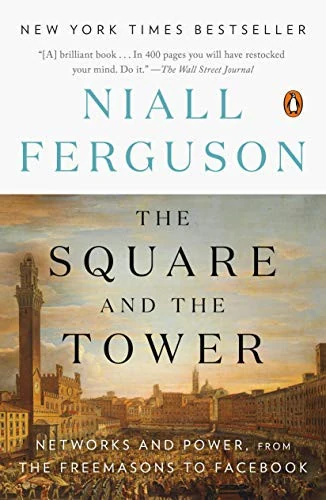
The Square and the Tower
Niall Ferguson · 73 weeksEstablish the events before the analytical return
The first account records rapid recruitment, suppression by the Bavarian authorities and the survival of exaggerated claims. Its closing paragraphs already distinguish the order’s limited activity from the spread of its reputation.
This first pass supplies events that can be recognized later and states the evidentiary problem. The useful delay concerns a fuller explanation of those events, not whether the alleged world conspiracy is true.
The Square and the Tower
Niall Ferguson · 73 weeksExplain the familiar rise and collapse with the new distinctions
SHORT SOURCE EXCERPT“With these insights of network theory in mind, we can now revisit the history (as opposed to the conspiracy theory) of the Illuminati.”
After the primer and its seven-insight summary, Ferguson returns to the order. Recruitment through existing Masonic connections, elaborate internal ranks and clashes with state authority give the earlier rise and suppression more specific organizational explanations.
The explicit return ties a demanding conceptual introduction to observable work: the same order’s growth, contradictions and limited reach can now be described through relations among networks and hierarchies. The return also restates the book’s purpose before the chronological survey expands.
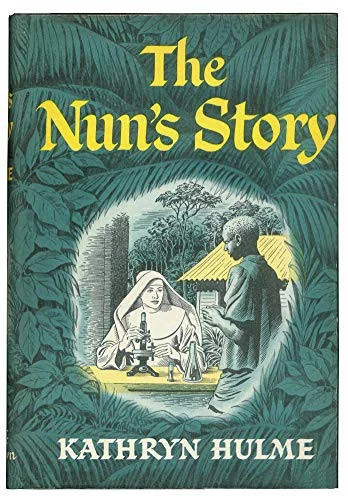
The Nun's Story
Kathryn Hulme · 48 weeksThe same smile changes meaning after recovery
SHORT SOURCE EXCERPT“But she recovered.”
During last rites Sister Luke imagines herself dying heroically and the worldwide prayers that would follow her death; the scene ends with her smile. After recovery, she interprets that smile and those imagined processions as gratification and self-pity rather than pure humility. Her return to the community adds the sisters’ praise and Mother Mathilde’s different account of what the illness tested.
Hulme preserves the recognizable details while changing the lens through which Sister Luke reads them. The comparison deepens the conflict between visible conduct and inward motive; the added community responses keep the character’s verdict situated within a continuing exchange.
In Cold Blood
Truman Capote · 37 weeksThe repeated conversation reveals a concealed fabrication
SHORT SOURCE EXCERPT“There was some truth in the story.”
The Mexico picnic conversation first moves through Dick’s reaction to Perry’s worry and his belief in a previous killing Perry claimed to have committed. The narration then resets the setting and repeats the exchange through Perry’s knowledge, stating that he invented the killing story to gain Dick’s respect.
The reader can compare the same question and answer before and after learning the concealed premise. The second pass changes the significance of Dick’s trust and Perry’s repeated claim, rather than providing a separate scene that merely resembles the first.
Make the decision
deliberately.
An explanatory chapter whose distinction should change how a reader interprets specific evidence already encountered.
- Choose an initial artifact or scene with details that can be revisited without changing the underlying evidence.
- Teach the distinction through explicit criteria and enough context to show its limits.
- Return to the identifiable details and separate the original material from your added annotation; retain plausible alternative readings.
A near miss
Repeating an opening anecdote at the end without showing what the explanation enables readers to see differently.
Where the lesson stops
A second telling can steer readers by selection or commentary. The birthday replay highlights a pattern but does not establish its cause; the cockpit commentary depends on the book’s interpretation and cannot isolate culture from the other conditions it describes.
This is an editorial reading of craft. These examples do not establish that the practice caused, or predicts, a longer bestseller run.