Book architecture
One idea, widening circles
Give the same idea a larger world to explain.
USEFUL WHEN
Consider this when one central idea needs to sustain several parts of a book without becoming repetitive.
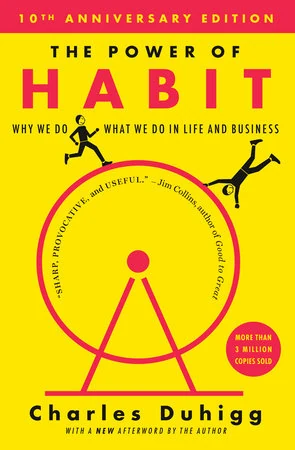
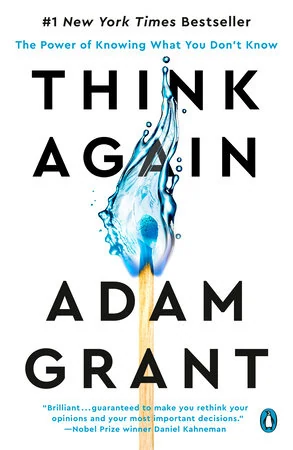
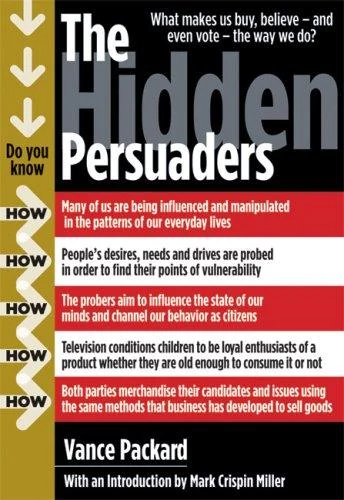
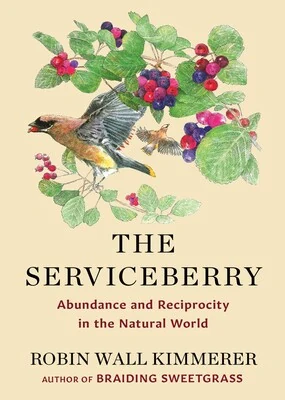
 Examples in 5 books
What happens inside a book that keeps finding readers?
Bestseller Playbook is a library of writing lessons from bestselling books, with 50 source-checked studies drawn from a 1,581-record New York Times bestseller collection. From the central idea to the architecture of a chapter, we’re looking for the choices worth learning from so you can create work that lasts.
1,581 books in the source collection
Ideas · Titles · Structure · Chapters · Explanation
Inside the research ↗Find a decision relevant to your work. Study what it can change, how authors execute it, and where it stops helping.
Give the same idea a larger world to explain.
Consider this when one central idea needs to sustain several parts of a book without becoming repetitive.
Examples in 5 booksUse an overlooked example to help readers reconsider a familiar idea.
Consider this when a familiar category hides a consequential case that belongs in the reader's explanation.
 Examples in 3 books
Make the path to the conclusion inspectable.
Consider this when readers can follow a conclusion only if they can inspect the steps that produced it.
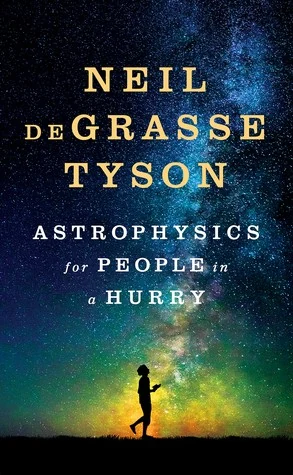
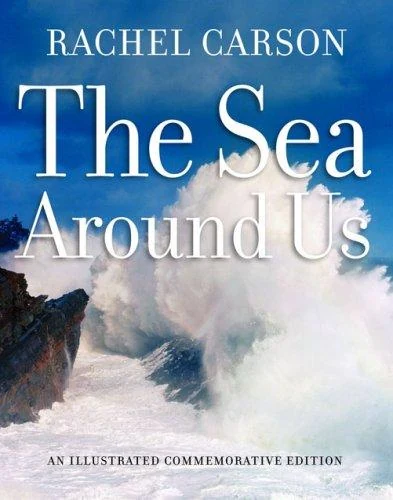

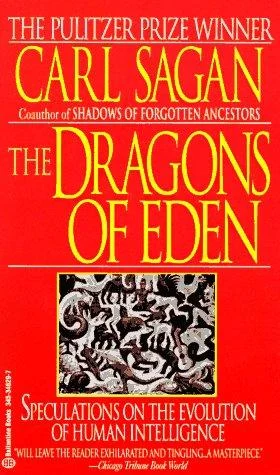
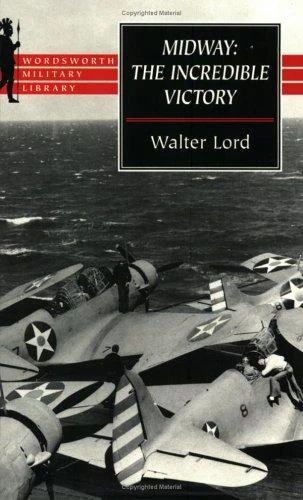 Examples in 9 books
Trace the conditions that keep producing the same result.
Consider this when an individual explanation cannot account for a problem that repeatedly returns.

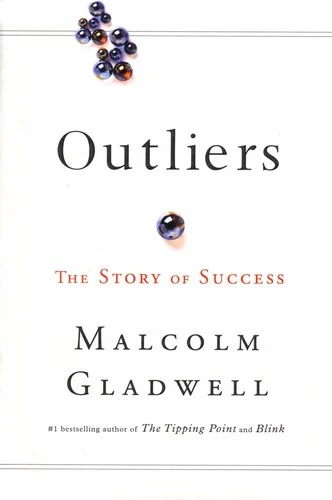
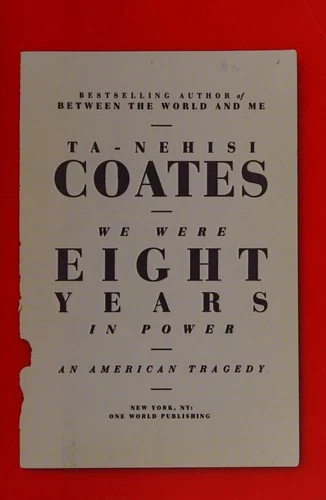
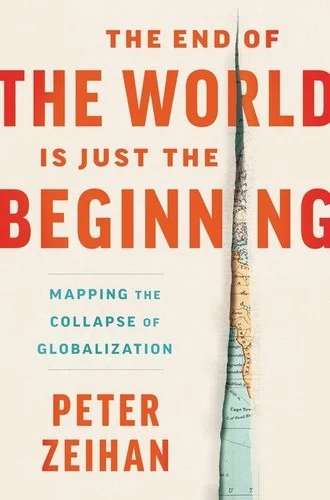
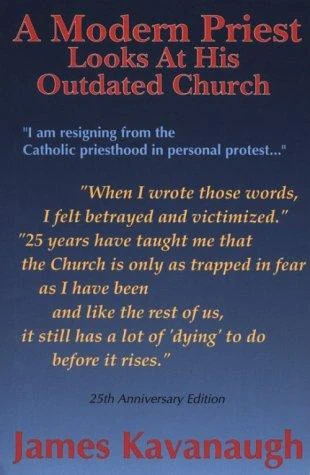 Examples in 9 books
Shift attention from surface details to meaning, motive or concern.
Consider this when the question a reader habitually asks leads to an unhelpful interpretation or response.
Create a specific question for the explanation to resolve.
Consider this when a chapter's explanation needs a specific unresolved question to give it direction.
 Examples in 2 books
Return to a recognizable setting, object or shared occasion at several points in a book, making a question developed by intervening events or ideas change what readers can notice there.
Useful for an essay crossing conceptual terrain or an ensemble narrative that needs to make changed relationships visible over time.

 Examples in 3 books
During a stated pause in the main action, move through short updates to the established social world, then return to the central thread when a specific development changes its situation.
For a reported story with long central delays and a surrounding world important enough to follow independently.
An insight from one bookOpen inside an identifiable later crisis, rewind to the earlier chronology, and eventually return to continue the same suspended scene.
For a chronological narrative whose earlier-life material prepares an identifiable later crisis that can be previewed briefly and accurately.
 An insight from one book
Identify conflicting source accounts, explain the basis for choosing among them or retaining uncertainty, and make the narrative’s degree of precision agree with that decision.
For reported work whose sources give incompatible details and whose narrative would otherwise hide the choice among them.
 Examples in 4 books
Select specific wording, place or ask the reader to place it on an object outside the book, and connect that wording to deliberate recurring use.
A short reminder needs to be available when the reader returns to ordinary work or reflection.
 An insight from one book
State explicit criteria for accepting or revising an account early, then invoke those same criteria when assessing later rival accounts and the author’s preferred explanation.
A sustained comparison of accounts whose provisional status would otherwise feel like a succession of disconnected reversals.
 An insight from one book
Present a plausible explanation or expectation, show the observation or evidence gap it cannot account for, and return to the same question with a revised account that changes the later interpretation or application.
Consider this when a plausible first explanation leaves an important observation unresolved and a more precise account is available.
 Examples in 11 books
Give the reader a specific situation to interpret, then use the formal explanation to make sense of it. A label or overview may already have appeared.
Consider this when readers need to encounter a behavior before a formal distinction about it becomes meaningful.
 Examples in 5 books
Work through the fields of a reusable reference entry in one developed case, then reuse a recognizable subset of those fields across the catalog.
For a reference book whose cases must remain comparable when readers browse individual entries.
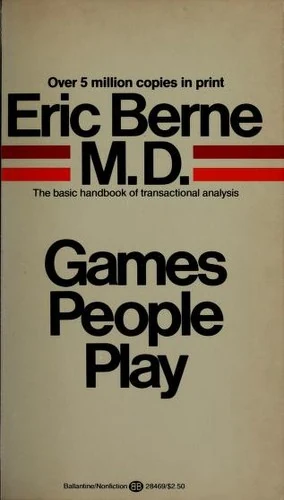 An insight from one book
Present a concrete scene or artifact, supply a new distinction for interpreting it, and revisit identifiable elements of that same material so the change in reading is visible.
For an explanation that should change how readers interpret a scene, artifact or set of facts they have already seen.
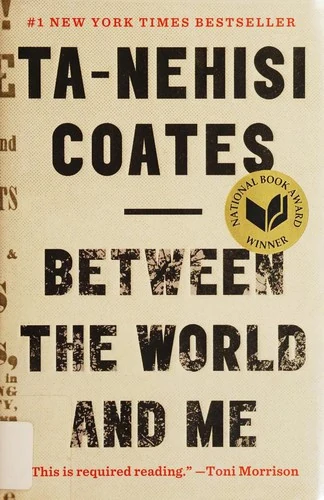
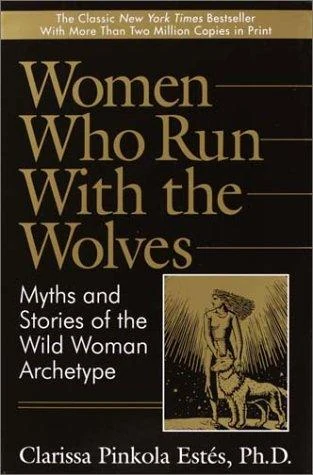
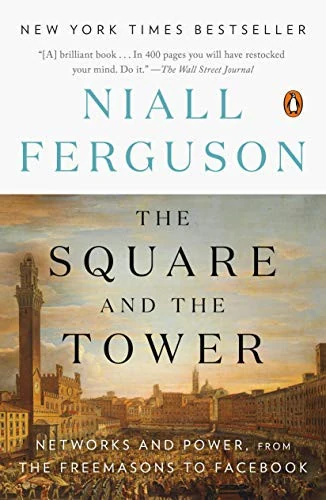
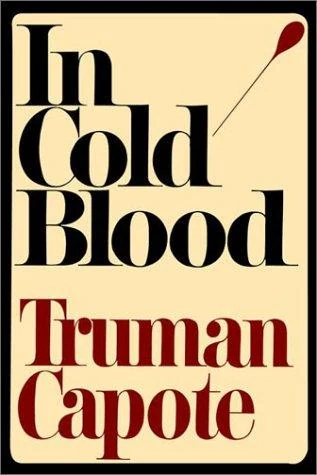 Examples in 6 books
Condense the book’s causal diagnosis into distinct mechanisms, then make each major proposed remedy answer one of those mechanisms and return to the mapping near the close.
Useful for an explanatory book that promises solutions and risks ending with a disconnected list of recommendations.
 Examples in 3 books
Address a particular person throughout a work, and repeatedly make that person’s circumstances, memories and relationship to the narrator determine why a scene or argument is being told now.
A personal work joins disparate material through something the narrator needs to communicate to one particular person.
An insight from one bookWhen introducing a retelling, identify the received core or version and its source, then state how the present author has developed or changed it.
For a retelling whose source and current author have made different contributions that readers need to distinguish.
An insight from one bookAfter distinguishing income from wealth, supply a simple benchmark and named categories, then apply them to the book’s cases.
Consider this when an abstract distinction needs a consistent basis for comparing cases throughout a practical book.
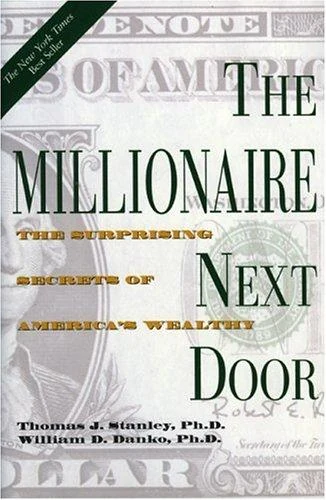 An insight from one book
Introduce two broadly comparable people, then revisit both under the same sequence of practical questions.
Consider this when several decisions contribute to a contrast and you have two cases that can be examined through the same questions.
An insight from one bookMove from a general recommendation to an example of the actual request, script, or form used to execute it.
Consider this when advice depends on choices hidden inside the wording or format of a request, script, or document.
 Examples in 3 books
Interrupt a dense chronological explanation with brief, visibly separate statements of elapsed time, then tie each interval to the conditions or processes that have changed.
A dense process history spans highly uneven intervals and readers need help retaining sequence and changing conditions.
An insight from one bookAfter a case supporting the central idea, name the contrary outcome and commit the book to explaining both.
Consider this when your central claim has a serious failure mode that later chapters need to investigate.
An insight from one bookPause the main case to show a second domain in action, expose a mechanism there, and then explicitly map it back.
Consider this when a mechanism becomes easier to inspect in a second setting that you can show in action.
An insight from one bookClose an abstract argument with a concrete change to the conditions under which its central action occurs.
Consider this when an explanatory book promises practical consequences but is not intended to become a comprehensive manual.
Examples in 2 booksRetain an identifiable earlier account, connect it to a clearly later revision, and state what new evidence changes or leaves unresolved so readers can distinguish the two states of knowledge.
Annotated reissues and continuing inquiries where readers need to distinguish earlier knowledge from subsequent correction.
 Examples in 3 books
Choose a familiar object, follow its material or production through several explanatory stages, and return to the object with those stages now visible.
Useful when a science, history or systems explanation must connect several unfamiliar mechanisms to an ordinary object with a supportable chain of origins or production.
An insight from one bookIdentify a contemporaneous document, preserve enough of its actual claim, proposal or approach to inspect, and distinguish it from later commentary about its making, outcomes or what the writer now understands.
Participant histories where hindsight can blur what people proposed then and what the author knows now.
Examples in 2 booksReturn to a case after a stated interval, ask what happened beyond the immediate resolution, and distinguish its later lived consequences from a simple success-or-failure label.
For case narratives whose consequences unfold after the dramatic decision or immediate resolution.
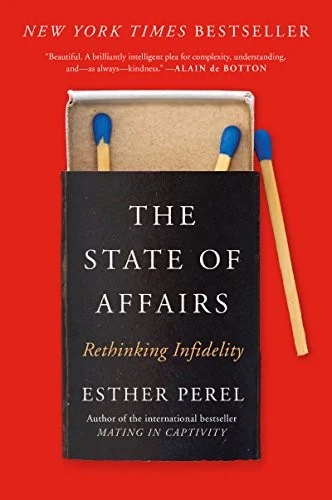 An insight from one book
Invite the reader to formulate an answer to a specific question before revealing a comparable set of responses, then make that response set available for reflection rather than treat it as an automatic answer key.
The reader has relevant experience or assumptions that can be articulated before seeing a comparison set.
 An insight from one book
After presenting a practice and its reported consequences, explicitly examine the evidentiary basis of its claimed effectiveness, then reconsider identifiable practices under a distinct stated ethical question.
Critical nonfiction where the evidence for a practice’s effectiveness and the ethics of its use are both contested.
An insight from one bookSelect successive versions of one continuing practice as the chronology of an autobiographical piece, and make the changing objects, standards or settings of that practice reveal changes in the narrator’s life.
Memoir chapters and personal essays with a continuing practice that intersects several meaningful life changes.
An insight from one bookA reported interaction is followed by a separately identifiable home trial that names what the author tries and what she notices.
Consider this when readers may struggle to connect a practice observed elsewhere with a recognizable difficulty in their own lives.
An insight from one bookAn application section gives a cautious starting option and progressively more involved versions of the same approach.
Consider this when readers differ in confidence, time, or willingness to try the same unfamiliar practice.
An insight from one bookThe same image identifies a sequence of actions and is reused to clarify a later decision boundary.
Consider this when a process contains choices that readers confuse or perform in the wrong order.
An insight from one bookA chapter close distinguishes its core takeaways from findings presented as surprising or contrary to expectation.
Consider this when a chapter teaches a positive model and also overturns assumptions that deserve separate attention.
An insight from one bookEstablish separate chains of action, explicitly align their dates or intervals, and compare what different participants are doing or understanding about the same consequential question.
Useful when people in different places make independent decisions that converge on one event or problem.
 Examples in 2 books
Show the exchange and the constraint on what could be said, then explicitly label a supplementary explanation as material not spoken in that event, preserving the difference between the depicted hearing and what the writer adds for the reader.
For an account of a constrained exchange that needs relevant material not spoken within it.
An insight from one bookCue, routine and reward become repeated questions readers can ask of a case. The model earns its name by helping them locate something, compare something and eventually change something.
Consider this when readers need to inspect unfamiliar cases using the components of your explanatory model.
An insight from one bookThe appendix converts a model into a sequence: identify the routine, test possible rewards, isolate the cue, and make a plan. The crucial move is treating the first explanation of your behavior as something to investigate.
Consider this when applying a framework depends on discovering which of several hidden explanations fits a reader's situation.
An insight from one bookDefine an explicit quantitative mapping from an unfamiliar magnitude to a familiar scale, place several examples on it, and reuse the same mapping later so comparisons remain connected.
A sustained explanation requires readers to compare extreme magnitudes or timespans across several examples or chapters.
An insight from one bookRecall an earlier recommendation when entering a materially different context, explicitly change or reverse it, and state the condition meant to explain the switch.
A practical or explanatory book offers different guidance across contexts that readers might reasonably treat as equivalent.
An insight from one bookPlace a distinct introduction before a thematic group of previously separate pieces, establish a shared question or relation, and let the pieces retain their own local openings and forms.
Independent pieces need a book-level relationship that their original openings could not have supplied.
 An insight from one book
Arrange short assessments of the same person or proposal in a close sequence so that their specific incompatibilities remain visible, while identifying the setting and limits of the selection.
For a shared subject whose reputation or meaning changes across competing judgments.
 Examples in 3 books
Develop a case, then close its local account with a brief comparison that names a counterpart and contrasts their treatment or consequences; repeat that closing role across otherwise separate cases.
Useful when developed cases need a short explicit comparative close before the argument moves to another account.
 An insight from one book
Move narrative attention from one participant to another through their direct encounter, then follow the new participant into a connected encounter so the relationships themselves organize the sequence.
For a narrative whose subject consists of several directly interacting participants.
Examples in 2 booksSuspend an unresolved action, develop context directly relevant to its stakes or available choices, then explicitly return to the same moment and show the next decision or movement.
For narrative encounters that need substantial background before the pending action can be understood.
An insight from one bookOrdered by the editorial collection. Fit and potential leverage are explained within each insight; empirical longevity effects have not been assessed.
Follow the promise, the chapter sequence, and the decisions beneath the finished book.
Explore its chapter map, inspect its examples, and follow the decisions that connect them.
Follow the reporting, questions, revisions and launch decisions behind the finished book.