“I write you in your fifteenth year.”
The recipient gives the opening more than an intimate tone: his particular moment in life explains why the narrator is speaking and what the remembered life must address.
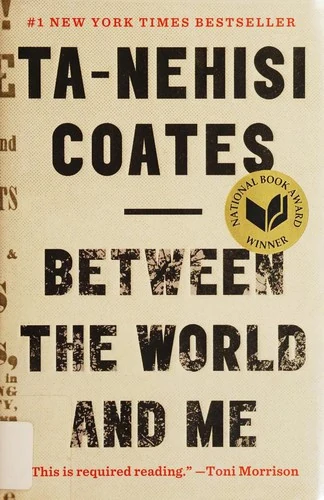
Passages, structures and practical devices, connected to their books and patterns. Every example keeps its source and review status.
Start with reviewed examples. Select any number to compare, with their source context intact.
Explore guided comparisons ↗“I write you in your fifteenth year.”
The recipient gives the opening more than an intimate tone: his particular moment in life explains why the narrator is speaking and what the remembered life must address.

“without any fantastic gloss…”
The physical scene remains recognizable, making the change of identification inspectable. The revision contributes to the book’s larger refusal to replace one consoling account of inheritance with another.

During the escalator confrontation, Coates describes his anger after a stranger pushes his young son and another person intervenes. Remembering the son standing nearby restrains his escalation; the subsequent reflection turns an attempted act of protection into recognition that he was also endangering the child.
The addressee becomes a witness within the narrative, so the father’s account must include his own compromised response. The letter’s relationship does structural work in the scene rather than simply surrounding it.

“thinking of you…”
The ending answers the opening occasion in the same relationship while keeping its limits: counsel and inheritance are offered without a guaranteed resolution of the larger argument.

Reviewed examples have a source-linked editorial interpretation. Detected candidates are exact passages or structures retrieved by an explicit rule and still need interpretation. Neither label establishes a cause of bestseller longevity. No missing text is counted as a negative example.