Explain why the bad sermon keeps recurring
Show why an individual-level explanation or solution is incomplete, identify the surrounding incentives or interactions, and trace how they generate the observed outcome.
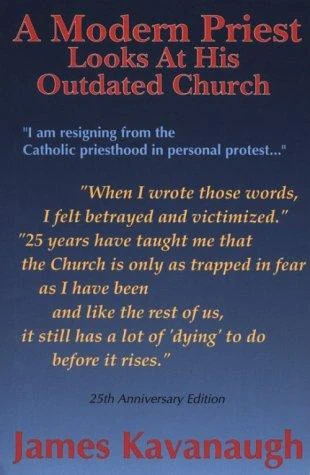
A Modern Priest Looks at His Outdated Church
James Kavanaugh · 31 weeksExplain why the bad sermon keeps recurring
SHORT SOURCE EXCERPT“there are no bonuses for preaching”
After recounting a sermon dominated by finances and instructions, Kavanaugh describes parishioners who leave or search elsewhere. He argues that full churches and continuing collections hide the loss, then shifts blame from individual pastors alone to deficient training and a parish structure that excludes meaningful reaction from its people.
The important turn is from an aggravating incident to the conditions that let it recur. Naming the protected feedback loop and competing priorities gives the institutional proposal a different target from merely finding a more gifted preacher.
The source in context.
Kavanaugh describes parish authority, financial priorities and limited avenues for complaint. A complaint about sermons becomes an explanation involving training, accountability and rewards, before the chapter imagines a more participatory parish.
Open this chapterWhat this example supports
The important turn is from an aggravating incident to the conditions that let it recur. Naming the protected feedback loop and competing priorities gives the institutional proposal a different target from merely finding a more gifted preacher.
Its limit
These are Kavanaugh’s selected observations and causal claims. The passage does not supply representative performance data or isolate the effects of accountability and training. Earlier governance details at LF1810–1840 explain the limited recourse.
Source & edition
James Kavanaugh, A Modern Priest Looks at His Outdated Church; Inspected Trident Press, New York, text with copyright 1967 by Father James Kavanaugh; exact printing not established.
Supplied text, lines 1980–2043. The short quotation is checked against the source.
The completed whole-source synthesis and all four ordered segment summaries, section maps, qualifications and gaps supplied candidate observations. This Codex pass checked live family and source-scope gates before source access; inspected front matter, contents, every main chapter boundary, the complete Epilogue and the end of Notes; and read the admitted passage contexts. The current canonical dictionary, staged peers and base examples were checked. It is source-checked editorial review, not a second independently adjudicated whole-book reading.
Inspected Trident Press, New York, text with copyright 1967 by Father James Kavanaugh; exact printing not established