AnalysisReviewed example
Give the reader a standard before judging competing accounts ↗Hawking defines a useful scientific theory through its explanatory economy and definite predictions, then describes provisional acceptance and possible disconfirmation. The Mercury example explains why Newton’s theory can remain practically useful after Einstein improves its predictions.
The author supplies the rule before the later disputes and immediately prevents a crude true-or-worthless reading of revision.
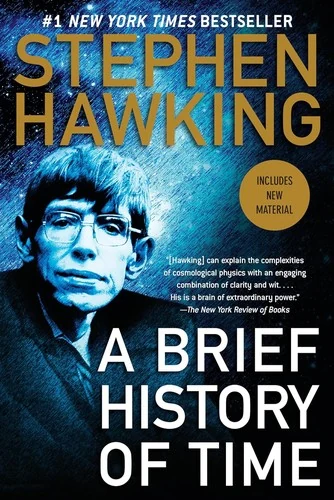
A Brief History of TimeStephen Hawking112 weeks · CSV