Teach an entry format before asking readers to browse it
Work through the fields of a reusable reference entry in one developed case, then reuse a recognizable subset of those fields across the catalog.
For a reference book whose cases must remain comparable when readers browse individual entries.
A developed teaching entry gives later compressed fields a clear job; readers may then compare entries without relearning the notation.
Beyond repeating headings, demonstrate what each field reveals and explain why the format sometimes changes.
Readers can learn what each field is for while following a concrete case. Later compressed entries can then expose comparable questions without requiring every entry to reteach the whole framework; that is an inferred use of the format, not a measured reading benefit.
Every identified example.
1 source-checked example from the published book studies. The full catalog has not been assessed for this practice.
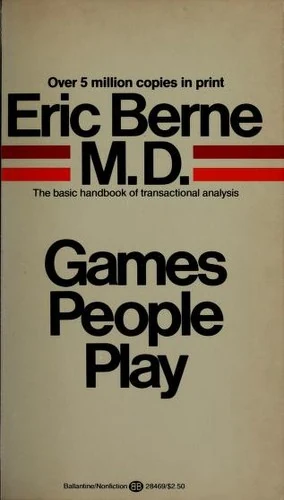
Games People Play
Eric Berne · 109 weeksOne marriage case teaches the analysis fields
SHORT SOURCE EXCERPT“the scheme given below has been found the most useful one for theoretical game analysis”
After narrating If It Weren’t For You, Berne passes through Thesis, Antithesis, Aim, Roles, Dynamics, Examples, Transactional Paradigm, Moves and Advantages. Each heading explains a different question about the same case before the thesaurus begins.
Keeping one case in view lets the format itself become the lesson. Later analysis cards can be read as compressed applications of known questions, while the catalog introduction explains why treatment varies.
Make the decision
deliberately.
A field guide, taxonomy or practical handbook whose readers need to compare many cases or return to individual entries.
- Choose the decisions or distinctions every substantial entry must make visible, and test those fields on one developed case.
- Teach what each field contributes before abbreviating it in later entries.
- Explain which fields may be omitted or shortened and why; leave genuine gaps visible rather than filling the template with unsupported content.
A near miss
Giving every chapter the same headings without showing readers how those headings help inspect or compare a case.
Where the lesson stops
Berne’s worked case and later notation are related rather than identical, and entries vary in detail. The Part Two introduction gives reasons for brief treatment. A consistent format makes assertions comparable; it does not validate the clinical assertions in the fields.
This is an editorial reading of craft. These examples do not establish that the practice caused, or predicts, a longer bestseller run.