Preview a future crisis, rewind, then resume it
Open inside an identifiable later crisis, rewind to the earlier chronology, and eventually return to continue the same suspended scene.
For a chronological narrative whose earlier-life material prepares an identifiable later crisis that can be previewed briefly and accurately.
An unfinished future episode gives the earlier chronology a destination; returning to continue it turns the opening’s suspension into an explicit structural commitment. This describes an inferred reading effect, not measured retention.
Beyond opening with action, identify the later episode, make the rewind clear, then catch up and continue the same scene after earlier events have supplied context.
The preface places a known athlete in a dangerous future situation before the life history begins. The reader carries an unfinished episode through the earlier chronology; when the book reaches it again, accumulated context and the continuation can give the return more work than repetition.
Every identified example.
1 source-checked example from the published book studies. The full catalog has not been assessed for this practice.
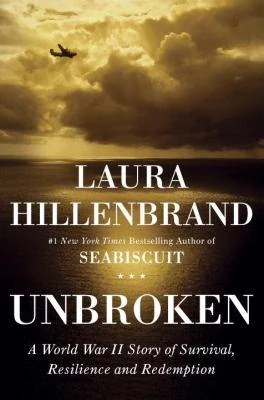
Unbroken
Laura Hillenbrand · 191 weeksA suspended raft attack returns after the chronological rewind
SHORT SOURCE EXCERPT“Somewhere beneath him, the sharks were done waiting.”
The preface identifies a June 1943 raft ordeal, reverses the apparent promise of an approaching aircraft into an attack, and stops with sharks moving toward Louie. Chapter 1 then returns to his boyhood; Chapter 15 later reaches and continues the same attack sequence.
The reader is asked to carry an unfinished scene through the earlier life, then recognize its return and learn what follows. Its main structural task is prospective jeopardy and continuation, not a question resolved by introducing an explanatory idea.
Make the decision
deliberately.
A long narrative or biography whose necessary background precedes a consequential scene that can be briefly and honestly previewed.
- Choose a bounded future scene with a clear person, time and unresolved development.
- Make the temporal move back legible, and select earlier material that gives the eventual scene more than a delayed outcome.
- Return to the promised situation and develop its consequences rather than simply repeat the teaser.
A near miss
A danger teaser that is never resumed, or a repeated scene that adds an interpretation without continuing the suspended action.
Where the lesson stops
The reader is waiting for a scene to continue, rather than for an explanatory idea to resolve a conceptual puzzle. The earlier chronology must add context before the return; the arrangement does not justify invented jeopardy or establish a measured effect on reader persistence.
This is an editorial reading of craft. These examples do not establish that the practice caused, or predicts, a longer bestseller run.