Give a sentence a place in the reader’s day
Select specific wording, place or ask the reader to place it on an object outside the book, and connect that wording to deliberate recurring use.
A short reminder needs to be available when the reader returns to ordinary work or reflection.
The author designs future access and use instead of leaving a quotation on the page and hoping it will be remembered.
Specify the wording, an object or location outside the book and a recurring action; distinguish the proposed use from evidence of its effect.
The author makes decisions that a memorable quotation alone leaves open: which words to retain, where they will be encountered and what to do when they are revisited. This extends the manual’s practice instructions beyond the reading session; improved recall or changed behavior remains an inference.
Every identified example.
2 source-checked examples from the published book studies. The full catalog has not been assessed for this practice.
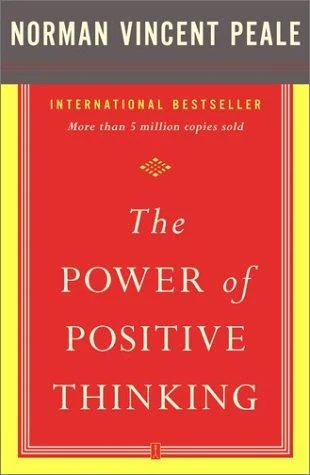
The Power of Positive Thinking
Norman Vincent Peale · 186 weeksMove the instructor’s sentence onto everyday objects
SHORT SOURCE EXCERPT“Write it on a card and put it in your pocket.”
After an account of a frightened trapeze student, Peale singles out the instructor’s sentence. He asks readers to copy it onto a card and suggests a pocket, desk, wall and mirror before explaining how he wants the image understood.
The point of transfer is explicit: words first encountered inside a story become words the reader is asked to place in the surroundings of ordinary life. The following interpretation supplies the intended use rather than leaving the copied sentence wholly unexplained.
The Power of Positive Thinking
Norman Vincent Peale · 186 weeksReturn from a wallet card to a stated daily rehearsal
SHORT SOURCE EXCERPT“Stop reading for a moment”
In a reported business discussion, a participant produces a wallet card and asks another man to read its scriptural wording aloud. After intervening illustrations of persistence, Peale explicitly returns to that formula, asks the reader to repeat it immediately and specifies five repetitions each day.
The object gives the wording a recognizable location inside the case; the later return converts the demonstration into a reader routine. A writer adapting the move must decide both how the text will remain available and what repeated use is meant to accomplish.
Make the decision
deliberately.
Useful when a practical book has a short, supportable reminder whose value depends on being available during later work or reflection, and readers are willing to create or place it.
- Choose wording that remains accurate and useful when separated from its surrounding explanation; retain a route back to any necessary qualification.
- Specify an appropriate object or location and an occasion or frequency for revisiting the words. Match the placement to the reader’s actual activity.
- Explain what the reader should do with the reminder, and distinguish that instruction from evidence that the reminder produces the promised result.
A near miss
A quotation printed decoratively in the book, a supplied script with no plan for later access, or a general command to remember the lesson.
Where the lesson stops
A repeated sentence is not a test of its truth or an adequate response to every difficulty. Peale’s results are testimonial, and his language sometimes promises more than these cases establish. A placement that competes with attention needed for another task can undermine the intended use.
This is an editorial reading of craft. These examples do not establish that the practice caused, or predicts, a longer bestseller run.