Let a recurring practice organize a life story
Select successive versions of one continuing practice as the chronology of an autobiographical piece, and make the changing objects, standards or settings of that practice reveal changes in the narrator’s life.
Memoir chapters and personal essays with a continuing practice that intersects several meaningful life changes.
The practice supplies a selection rule and chronology, allowing a long life to become a bounded narrative rather than a comprehensive recap.
Choose successive versions of the same practice and make their changed objects, standards or settings reveal the changing self.
Cooking and reading give two essays a reason to select some memories and skip others. The recurring activity supplies continuity while different authorities, books and rooms expose changing aspirations, relationships and needs, making a long life readable through a deliberately partial track.
Every identified example.
2 source-checked examples from the published book studies. The full catalog has not been assessed for this practice.
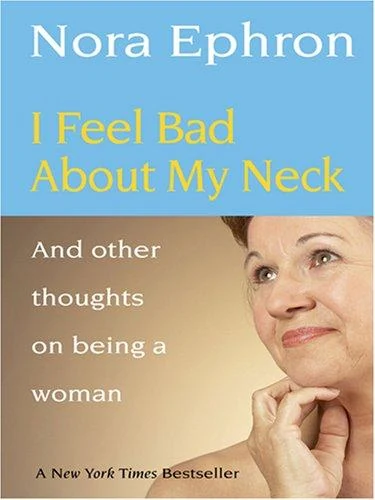
I Feel Bad About My Neck
Nora Ephron · 47 weeksChanging kitchen authorities mark changing standards
SHORT SOURCE EXCERPT“The point was about finding a way that food fit into your life.”
The essay moves from a cookbook as an emblem of adulthood through exacting imaginary kitchen companions, competitive dinner-making and Lee Bailey’s more relaxed example. Work, marriages and homes enter along that sequence. Later the narrator incorporates what she learned, departs from Bailey’s rules and describes finding her own arrangement.
The practice supplies a selective clock: each authority marks both a period and a version of what it means to succeed. The final independence gains meaning because the earlier dependence has been made concrete.
I Feel Bad About My Neck
Nora Ephron · 47 weeksBooks and reading places carry a selective autobiography
SHORT SOURCE EXCERPT“The couch and I have moved”
A recent experience of reading leads back through childhood, a Village apartment, purple slipcovers, divorce and new reading places. Each remembered book is linked to what the narrator wanted or needed in that period, including identification, companionship and absorption, before the essay returns to the recent novel.
The couches and books locate remembered versions of the self. Their changing role makes the sequence a life story organized by reading, rather than a recommendation list.
Make the decision
deliberately.
Useful for a memoir chapter or personal essay whose conventional sequence of jobs, relationships and dates would be too broad, and where a recurring practice actually intersects the changes the writer wants to explore.
- Choose a practice with several distinct, well-remembered versions across the relevant years.
- Select an object, rule, authority or setting for each stage and connect its meaning to the life being lived then.
- Let the later stage revise or complicate the earlier one; omit events that do not belong to this selective chronology, and keep the selection’s limits apparent.
A near miss
A list of favorite objects or books with dates attached, where the narrator’s changed circumstances and relationship to them remain unexplored.
Where the lesson stops
This pattern is supported in two essays, not the structure of all fifteen. The practices reveal selected aspects of a life, and witty proximity does not establish that a cookbook or novel caused a marriage, divorce or personal transformation.
This is an editorial reading of craft. These examples do not establish that the practice caused, or predicts, a longer bestseller run.