Offer several levels of entry into a practice
An application section gives a cautious starting option and progressively more involved versions of the same approach.
Consider this when readers differ in confidence, time, or willingness to try the same unfamiliar practice.
Different levels of commitment give one application section several usable starting points while keeping the underlying practice recognizable.
Beyond telling readers to start small, specify meaningfully different actions at successive levels rather than adding difficulty labels to the same instruction.
A reader can identify an initial action without accepting the most demanding or unfamiliar version at once. This is a plausible design purpose, not a tested conversion effect.
Every identified example.
1 source-checked example from the published book studies. The full catalog has not been assessed for this practice.
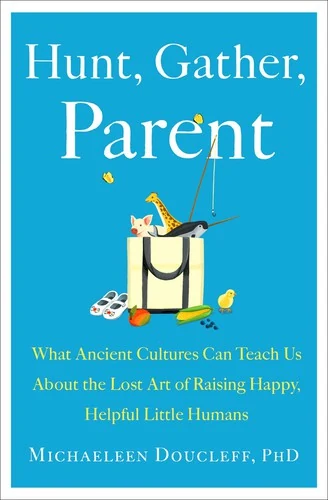
Hunt, Gather, Parent
Michaeleen Doucleff · 45 weeksTry It 6 offers a cautious start before fuller adoption
SHORT SOURCE EXCERPT“If you still feel a bit skeptical about the storytelling idea, start off with nonfiction.”
Try It 6 begins its Dip Your Toe tier with factual family and science stories. Wade In turns toward animated objects, while Jump In moves to invented monsters and discusses variation in children’s reactions.
The progression recognizes that a reader may accept an initial version while hesitating about a later one. Different actions, not just different headings, distinguish the tiers.
Make the decision
deliberately.
Use when readers vary in confidence, available effort, or willingness to try a new method.
- Name a concrete low-commitment start.
- Make later tiers differ in the action or commitment they require.
- Let the format fit the practice; do not force every exercise into identical tiers.
A near miss
A beginner, intermediate, and advanced label without materially different actions does not lower an entry barrier.
Where the lesson stops
Try It 6 uses three tiers, but other Try It sections use different forms. The analysis concerns the instructional layout, not an endorsement of frightening children or any other specific tactic in the passage.
This is an editorial reading of craft. These examples do not establish that the practice caused, or predicts, a longer bestseller run.