Midnight in the Garden of Good and Evil
Book study · source checked30 mapped sections2 developed lessons3 source examples
Writers of reported narratives with a large cast, a distinctive place and a central event that unfolds over years.
Source-checked studies. Find a book whose choices matter for yours.
50 books in the collection / 36 shown
Weeks from the Target Zone CSVWriters of reported narratives with a large cast, a distinctive place and a central event that unfolds over years.
Writers of biography and reported narrative that move through long preparation, successive ordeals and an aftermath supported by interviews and records.
Writers of practical or reflective nonfiction whose readers need a brief reminder after the reading session.
Writers guiding general readers through difficult, provisional or competing explanations.
Writers combining varied investigations or making statistical and institutional explanations accessible to a general audience.
Writers building a field guide, taxonomy or explanation of recurring situations that readers may revisit out of order.
Writers challenging a familiar explanation and teaching readers to inspect reported cases, scenes or data differently.

Writers of explanatory or policy-oriented nonfiction moving from a disputed causal account to proposals for several groups of readers.
Writers of memoir or personal essays connecting remembered experience, intellectual revision and a sustained public question.
Writers of interpretive nonfiction who work with traditional stories, adapted narratives or symbolic readings and need to make their own mediation visible.
Writers developing a practical argument around a misunderstood measure of success or a distinction readers can apply repeatedly.
Writers giving a short, general-audience introduction to technical material with large changes of scale or indirect evidence.
Writers explaining a counterintuitive idea that works in some situations, fails in others, and has practical implications.
Writers of natural history, scientific synthesis and annotated reissues who need vivid reconstruction without blurring observation, speculation and revision.
Explanatory histories and other nonfiction that teach a framework before a long sequence of cases.

Writers explaining a broad technical or historical subject whose parts need a shared human question.
Essayists, reporters and documentary memoirists revisiting older work or connecting personal accounts with institutional history.

Writers combining lived experience, reporting and practical advocacy who need to bridge motivation, procedure and structural obstacles.
Writers of case-based nonfiction who need to show interpretive choices and outcomes without making selected personal accounts stand in for representative evidence.
Reflective nonfiction and practical essays that draw on respondents’ experiences and want readers to articulate their own assumptions.
Writers developing a consequential public argument that moves from diagnosis to action while addressing readers who may be implicated in the problem.
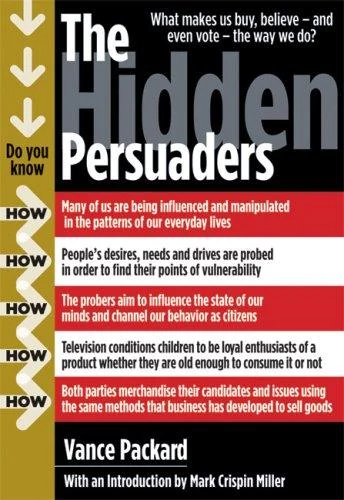
Writers of investigations and critical nonfiction whose many cases span consumer, organizational and civic life, with disputed evidence behind a moral argument.
Writers whose narratives turn on competing commitments and a character’s changing interpretation of her own conduct.

Personal essayists and memoir writers seeking a selective chronology, a comic voice that includes the self and endings that preserve unresolved contradictions.
Writers combining reporting or a learning journey with practical guidance that must travel between different settings.
Writers turning a body of case research into a practical framework with several related concepts or stages.
Writers developing parallel strands around a shared problem, especially where participants lack the information available to the reader.
Writers of institutional history, business narrative and reported memoir who need to connect vivid people with unfamiliar systems without making personality do all the explaining.
Writers of reported or historical narrative who need to handle unequal knowledge, reconstructed perspectives and the limits of an institutional record.
Explanatory writers connecting everyday tasks to infrastructure, institutions or interdependent industries, especially when separate sector chapters need a shared payoff.
Writers introducing an explanatory model that must remain recognizable as the book moves across cases, scales, and applications.
Explanatory writers working with extreme timespans, unfamiliar quantities and provisional scientific accounts.
Writers weaving personal observation, scientific explanation and an ethical argument into a continuous essay.
Writers of institutional criticism or reflective nonfiction whose authority includes participation in the practices they question.
Writers organizing practical material across contexts where memorable rules may be overgeneralized, or where success stories can be mistaken for proof.
Writers assembling mixed-form collections or developing reflective pieces in which language meets consequences it did not anticipate.
36 of 50 books
Weeks are preserved from the supplied CSV. A linked source is available reading material; it does not mean the entire book has been read or that a longevity pattern is established. Cover tiles identify records whose jacket has not yet been linked.
Meet the authors